If at all possible, you want to make sure your first camping trip is on a beautiful weekend, say somewhere seventy to eighty-five for a high, and fifty-five to sixty-five for a low.
Not too hot.
If it’s really hot during the day, let’s say its ninety and humid, you may not enjoy being outside especially if you’re not used to the heat. Extreme high temperatures can ruin a camping trip, particularly if it is one of your firsts.
Not too cold.
On the flip side, if it’s really cold at night and you’re not prepared, you may not like that either. The perfect nighttime camping weather is when a light blanket or a cozy sleeping bag can keep you warm. If it’s fifty degrees out, you need a little more to be comfortable.
What you don’t want to do is end up in a situation where you’re cold and miserable the whole weekend. Chances are you won’t go camping again after that experience.
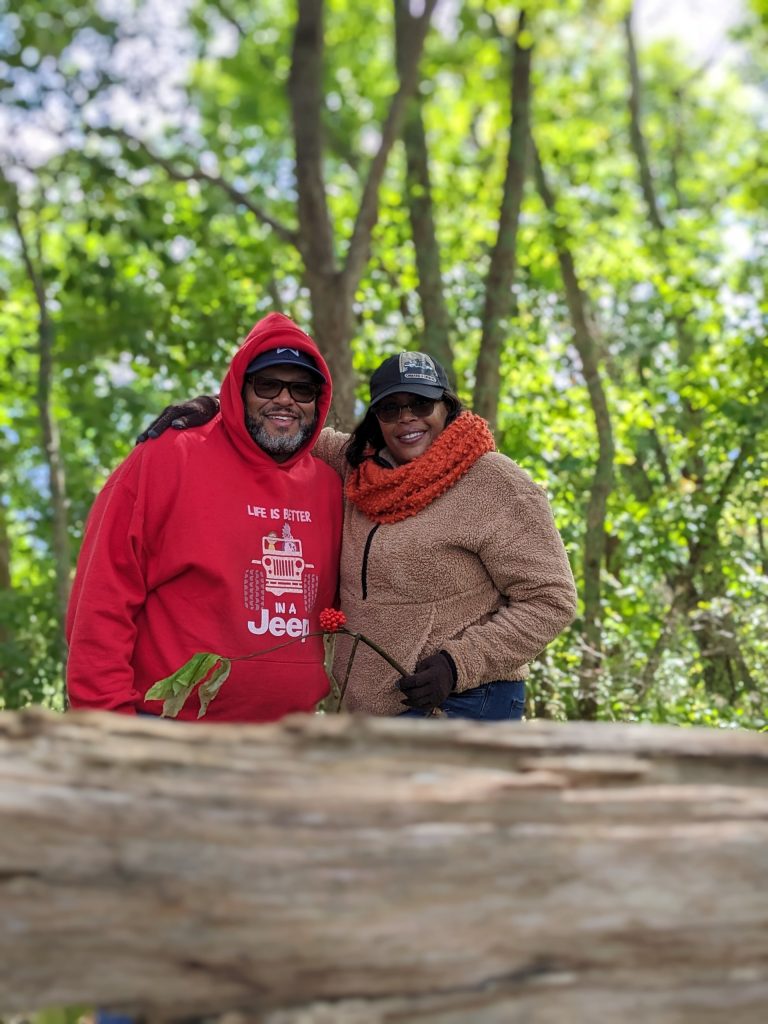
Plan for weather.
This can be difficult because you’ve got to prepare for your trip ahead of time. One thing you can do is look at the advanced forecast, or in the Old Farmer’s Almanac, or visit the Weather Underground site (wunderground.com). These sources can actually show the historical weather information for the weekend or the week you’re choosing. To expect eighty degree days in February is not sensible, though depending on your location perhaps in May you could get those kinds of temperatures. That will give you an idea of roughly when to plan.
Have a backup plan in case weather intrudes.
If the weather forecast is horrible, cancel and reschedule. You may have put some preparation into this but the last thing you want is a flop for your first camping trip.
If you can’t cancel, then consider a staycation where you stay at home but go hiking locally during the day. Or you could set up the tent in the backyard so you have the option of going inside. Both options allow you to enjoy special times and not lose that momentum. Later, when you talk about this experience, your kids say, You know, we didn’t go camping but we had the most wonderful weekend because we went and did A, B, C.
Have a backup strategy for when you are actually camping to plan on going home if the weather gets bad. If home is too far away, think about staying in a hotel. Consider your gear in a parking lot. If you have a truck, you can’t just leave it in the bed; it’ll be gone in the morning.
Don’t necessarily be afraid of a simple rain storm. It just depends on what the weathermen are predicting. If the forecast calls for a hundred percent chance of four inches of rain, you probably don’t want to go camping. On the other hand, if there’s a ten percent chance of rain, then, eh . . . maybe risk it.
Planning for weather is a challenge.
Weather is a guessing game. Both you and the weathermen don’t know what’s going to happen until it does. It’s difficult to predict far out what the weather’s going to be. Even just two or three days before can be tough. So, like we just discussed, have a backup plan.
I don’t know how many times I’ve watched the forecast and thought, Oh, man, it’s going to rain all weekend. And then the day before comes and things look dry. When we arrive at the campsite it is beautiful and doesn’t start raining until Sunday afternoon on the way home, I’m grateful I made the call to go!
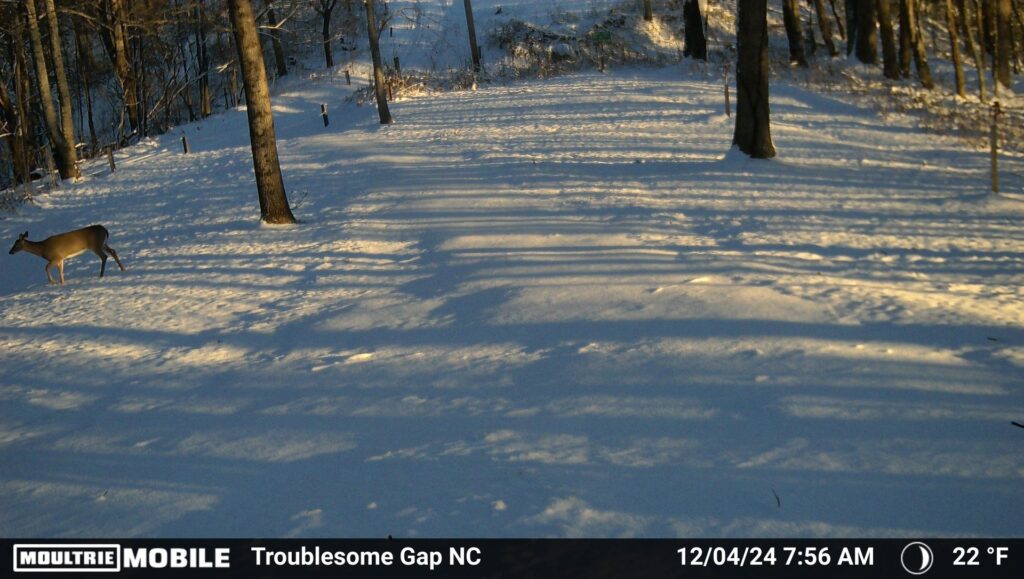
Avoid extreme weather.
A lot of times forecasts change so much. Weekends I thought were going to be wet turned out gorgeous. So just use your judgment. Stay away from extreme weather. If you’re not used to being out in freezing temperatures and you’re out in the cold for a full twenty-four hours, unprepared, then you’re going to give someone reason to be unhappy. Avoid doing that by keeping track of the weather conditions.
The other extreme is hot. Warm and sticky weather during the day may make everyone miserable. If you’re out in the sun it’s even worse. Hot temperatures at night may make it hard to sleep. By the next morning, everybody’s grumpy because they weren’t able to sleep.
Try to hit the in between temperatures so you can have a successful camping trip. In North Carolina, we have two windows with extremely nice weather, from late May to late June and then again from September to mid-October. Somewhere in there is a good rule of thumb in North Carolina to hit beautiful weekends. Of course, it depends on your elevation. Also keep in mind that for every one thousand feet in elevation the temperature decreases by two to three degrees Fahrenheit.

Always be ready for rain.
When it looks like rain, take it seriously. On the other hand, if the forecast doesn’t call for rain, be prepared anyway. Make sure you dress for the elements. The number one thing you can do in mild weather is to have a waterproof jacket. If your upper body stays warm, then you’re a lot more comfortable and the risk of hypothermia goes way down.
I’m not saying to spend hundreds of dollars on Gortex® jackets for you, your wife, your four-year-old, and your three-year-old. But you do need to figure out how you’re going to keep everybody dry. There are some low-cost and medium-cost alternatives. Since camping gear is seasonal, you can probably buy a nice water-proof jacket from a sporting goods store that’s been sitting the shelf for maybe a quarter of the original price.
One time I found jackets for everybody in the family but me, I already had one. I spent fifteen dollars each for two-hundred-fifty dollar jackets because they were two years old and they were on clearance at Sierra Trading Post. They weren’t super stylish, but in the woods that doesn’t matter. I’m a big proponent for not spending a fortune for your first camping trip. Instead, do what you can afford. A lot of people go through the weekend with a plastic trash bag with holes cut in for the arms and head and are just fine.
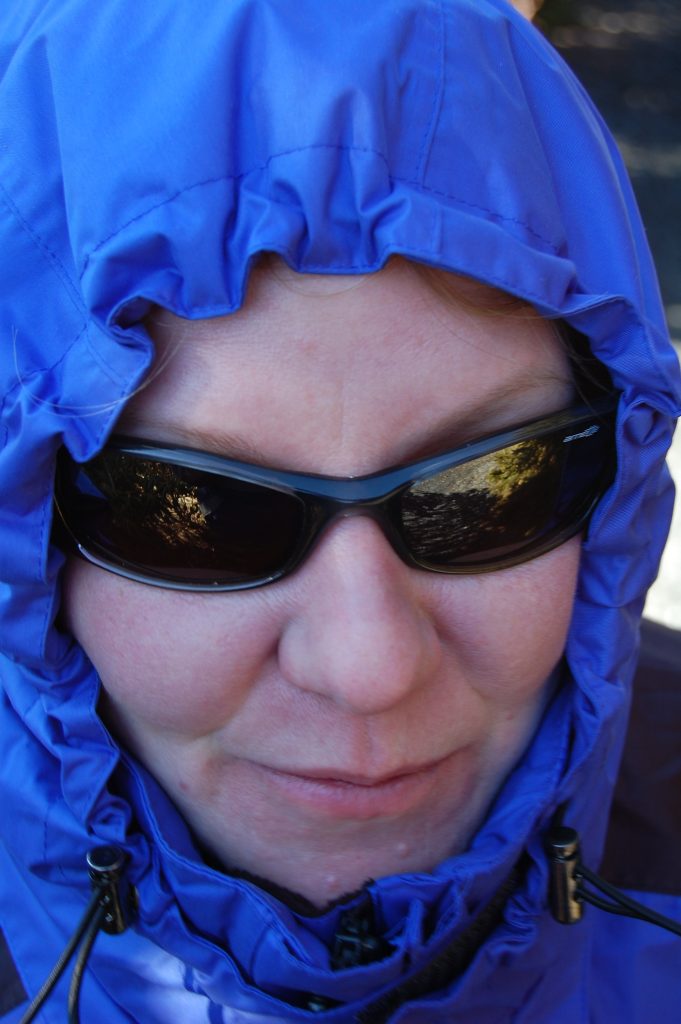
Always protect yourself from hypothermia.
Hypothermia is a real risk. Keep appraised of the weather. With modern cell phones and real-time radar, it’s hard to be completely surprised by the weather. Keep in mind that you may not have a cell connection.
We’ve been in the mountains where there is rain on one side of the ridge, but sunny on the other side. Sometimes terrain can have unpredictable effects on the weather so keep that in mind. A quarter mile from your campsite there might be a completely different weather situation.
Watch out for lightning.
Lightning can kill you. Lightning can start fires and cause trees to split and fall on your tent. There are a lot of things to consider when you’re out camping. If the weather’s calling for a thunder storm, or you see one coming in, you must take the lightning seriously. If you are hit, then you can be seriously injured or die. Lightning has the ability to injure multiple people at once, and it all happens swiftly. Make sure to take shelter.
If there is even a chance of thunder when you pitch your tent, consider setting up in the middle of a field instead of under trees. If the wind gets blowing and a thick branch falls or lightning hits a tree, pitching your tent under those trees isn’t wise. In the middle of the field may seem counterintuitive but that’s probably the safest place to put your tent, that way you’re less likely to get hit by falling limbs.
If you are caught in a lightning storm, you need to get out in the middle of a field or optionally low to the ground. Make sure you aren’t the tallest thing in that area. If lightning starts in the middle of the night and you’re in your tent, stay put. I’ve ridden out so many thunderstorms by hunkering down. Making a mad dash across a field probably won’t help you a whole lot.
We’ve camped through some nasty thunderstorms. A year ago, we got hit by one with sixty-mile-an-hour winds. The tent was fine, we were unscathed. Some trees fell, but not where we were. We had selected a grassy area for the tent.
We’ve had a tornado hit while camping. That was an experience! In that case we had to abandon the campsite. I probably had fifteen people in the group. We headed on the other side of the ridge and each grabbed a tree and stayed low to the ground and waited for the tornado to pass over us. Thankfully it broke up a few hundred yards before getting to us, so all was good. But we were prepared. I was pretty confident we’d all be just fine. I also figured we’d be going to the store for more camping gear, but we didn’t lose very much because the tornado broke up before reaching the campsite. I’ll tell you, it was quite a sight, but we stayed safe by hugging a tree.
Take brush fire threats seriously.
If you spot brush fires in the area, don’t camp there. You need to be in a place where you’re safe. If you ever see a brush fire, you want to move at a right angle to the direction its moving. You can’t outrun it. If the wind is pushing the fire, it’ll outrun you. So, move at a right angle to the direction the fire is moving in. If a brush fire is coming at you, go left or go right and keep going that way to let it pass you. Don’t worry if your gear gets burned to a crisp, keep going and stay safe. The best plan is to avoid areas where brush fires are burning.
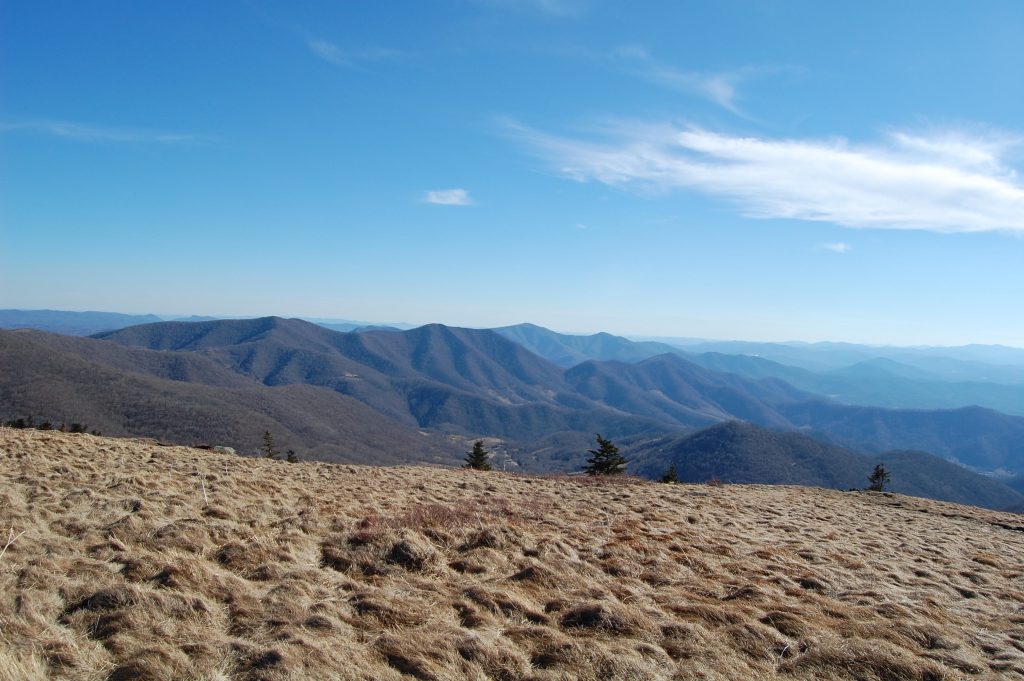
Sometimes we can make memories from iffy weather.
Let me preface this story with the years of experience I have with camping and gear and judging weather patterns. So, as they say on television, don’t try this at home. That said, years ago we rode out Hurricane Bob in a tent in the Shenandoah mountains of Virginia. By the time it reached us, Bob was a tropical storm and degrading fast. We didn’t know which way the storm would turn but it rained for twenty-four hours. I sat in the tent and played cards with my four and seven-year-old girls and we had a moderately good time. If the weather got real bad, we planned to drive to a hotel. Some of our gear got wet. But we were at a KOA campground with a laundry facility, so we were able to put our sleeping bags in the dryer after the rain ended. We enjoyed ourselves because we were paying close attention to the weather, we were prepared, and the girls trusted me.
Now, if I knew the storm would be a hurricane or a strong tropical storm, we would have left. I paid close attention to what was happening the whole time and didn’t feel like we were at risk.
Cold weather.
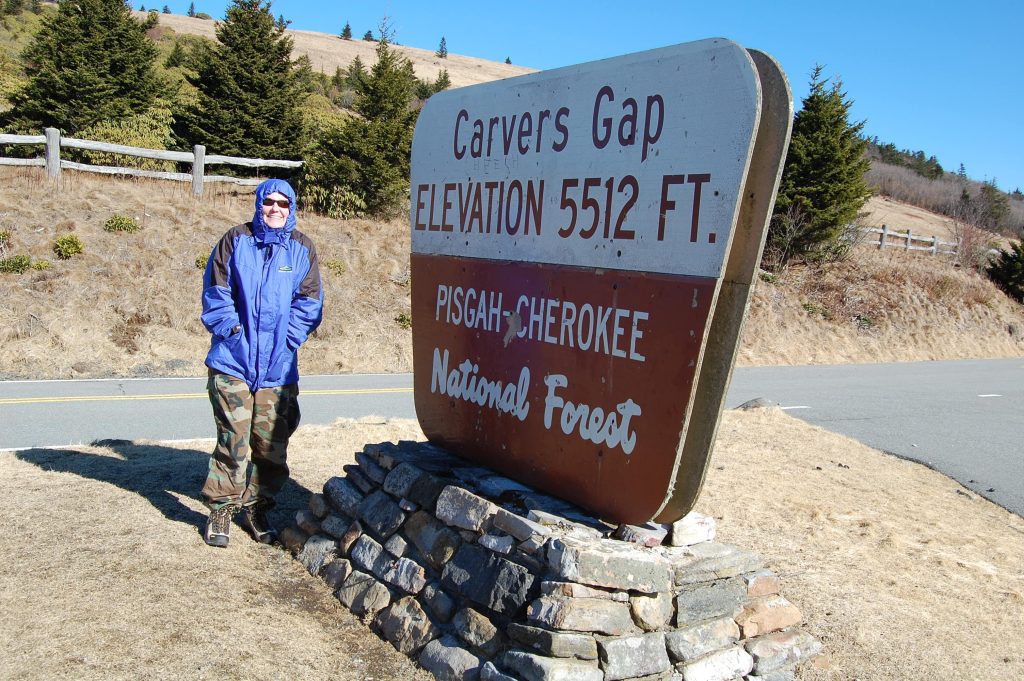
We’ve had snow. We’ve had cold nights. We’ve had snow on top of our mountain, or at least the next mountain over. Memorial Day weekend we had guests who couldn’t leave going in one direction because the snow got too deep on the road. That’s not typical in North Carolina in late May, but it can happen. So, having a change of warm clothes is wise, because you might have some crazy conditions at times. Depending on where you are in the U.S., weather can be all over the board. If you’re in the high mountains, say 6,000+ feet, you could have snow in July. It just depends on your location. Always expect the unexpected with weather.
Be aware of what the weather typically is in your area and be prepared for that as well as having contingency plans and warm clothes. Those things help keep a trip from becoming uncomfortable or even a tragedy.
Know the forecast, and be prepared for rain. Be ready for cold. Have some options. Because having that sweatshirt and warm pants to throw on for everybody in the family may make the difference between later laughing about, Hey, it rained – remember that? We got to go out to eat versus an angry child reminding you they froze on that camping trip and never want to go back. Be ready. Prepare for success and everyone wins.